
If you are leading Salesforce, revenue, or commercial transformation, you are likely experiencing growing pressure from your current legacy CPQ platform. Quoting still functions, yet every change demands more effort, more coordination, and more risk than before. Agentforce Revenue Management represents the strategic destination, but timing often works against immediate adoption. Budget cycles, billing readiness, finance ownership, and organisational capacity rarely align at the same moment.
Unfortunately, continuing to extend legacy CPQ increases complexity and migration weight over time. Each added rule or workaround deepens dependence on an architecture that no longer matches modern revenue operations. Progress requires a controlled path forward rather than delay.
This guide speaks directly to you if a phased approach is required. Modern Salesforce-native CPQ solutions can support defined use cases such as stabilising quoting, enforcing pricing governance, enabling subscription or usage models, and improving sales velocity while preparation for Agentforce Revenue Management continues.
Let’s understand how Salesforce-native CPQs serve as transitional platforms that preserve momentum today and maintain alignment with the future revenue architecture.
Also Read: What If You Can’t Adopt ARM? Top 5 Practical Alternatives That Protect Your Revenue Roadmap
How Salesforce-Native CPQs Differ From Legacy CPQ Models?
A legacy CPQ is a rule-heavy quoting engine layered on Salesforce, built to model exhaustive product and pricing complexity, which increases customisation, change risk, and technical debt over time. On the other hand, a modern Salesforce-native CPQ is a scope-disciplined commercial layer built directly on Salesforce core objects that prioritises fast, governed quoting by enforcing pricing guardrails and billing intent upstream, intentionally limiting lifecycle ownership to reduce risk, improve adoption, and stay aligned with future revenue architectures such as ARM.
| Dimension | Salesforce-Native CPQs | Legacy CPQ Models |
| Platform Architecture | Built directly on Salesforce core objects, security, and automation | Managed packages or external engines layered on Salesforce |
| System Philosophy | Scope-disciplined commercial layer | Feature-complete quoting engine |
| Primary Objective | Faster, governed quoting aligned with future RCA | Comprehensive configuration and pricing coverage |
| Data Model | Modern, simplified, Salesforce-aligned | Heavily customised, often rigid |
| Configuration Approach | Admin-led configuration, minimal code | Rule-heavy logic, frequent custom development |
| Pricing Models | Subscriptions, usage, credits, hybrid pricing | Product- and discount-centric pricing |
| Sales Adoption | High due to native UX and low cognitive load | Lower due to complexity and training overhead |
| Implementation Speed | Fast, iterative rollout | Long, transformation-style implementations |
| Customisation Strategy | Intentional limitation to reduce debt | Extensive customisation encouraged |
| Governance | Inline pricing guardrails and approvals | Complex rule-driven enforcement |
| Billing Alignment | Configures billing intent at quote level | Billing handled downstream or externally |
| Revenue Lifecycle Ownership | Partial by design | Often stretched beyond intended scope |
| Upgrade & Change Effort | Predictable and lighter | Heavy regression testing required |
| Long-Term Risk | Overlap risk if treated as endpoint | Technical debt and migration drag |
| Strategic Role | Transitional layer toward Revenue Cloud Advanced | Legacy system requiring eventual replacement |
Also Read: CPQ vs Revenue Cloud Advanced: A Complete Comparison Guide for C-Suite Leaders
Top 3 Modern Salesforce-Native CPQ Platforms
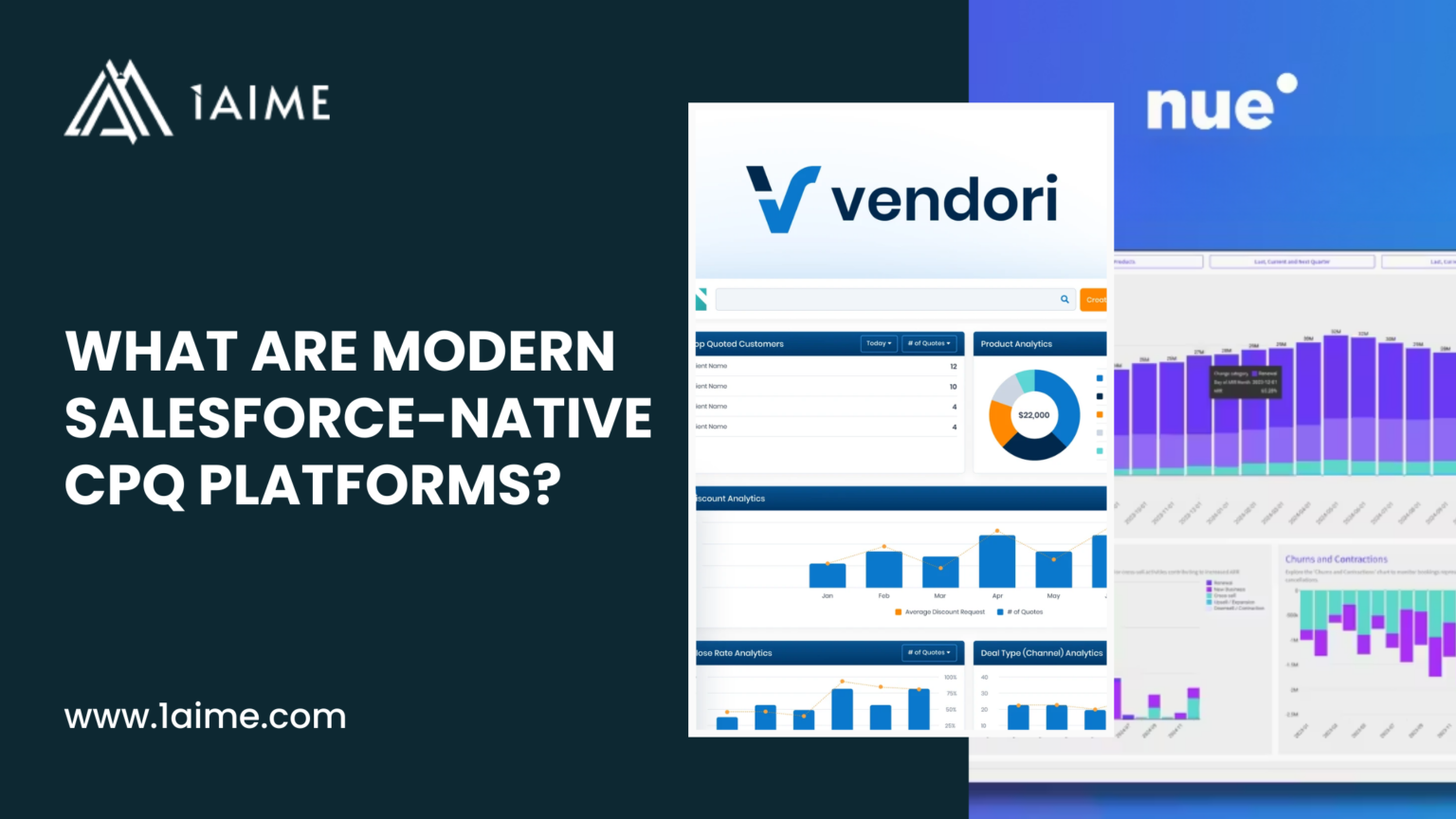
Now, let’s take a look at the top 3 modern Salesforce-native CPQ solutions, which are considered suitable yet use-case specific alternatives to Agentforce Revenue Management (formerly RCA):
1. Nue.io
Nue is a modern Salesforce-native CPQ platform designed for organisations that sell across subscriptions, usage, credits, add-ons, services, and hybrid pricing models. It operates entirely inside Salesforce and focuses on fast, governed quoting, while pushing pricing intelligence and billing intent upstream into the quote itself.
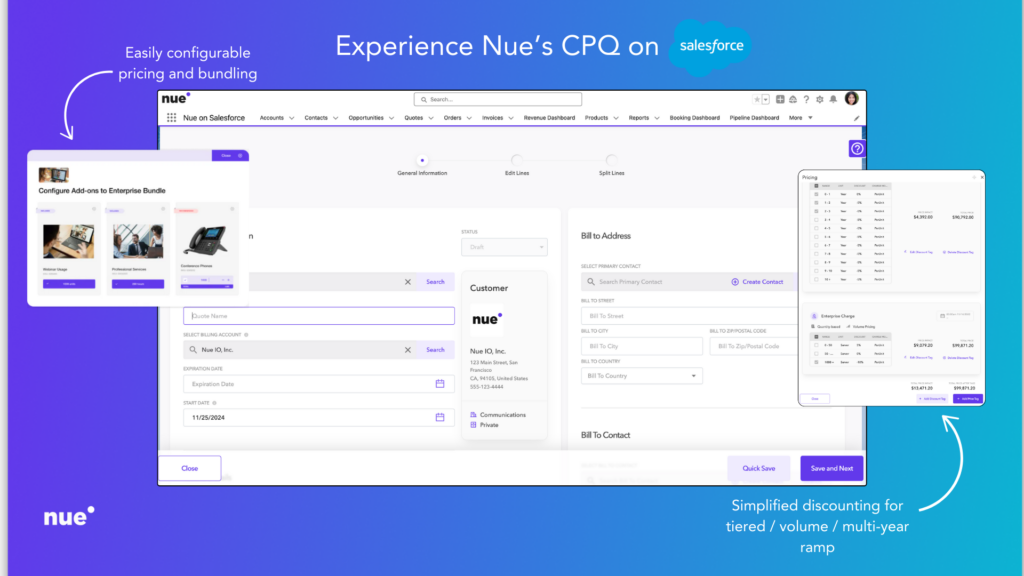
Notably, Nue does not position itself as a full enterprise revenue lifecycle platform. Instead, it modernises how commercial logic is expressed, approved, and handed off. All without forcing immediate consolidation of billing, finance, and revenue recognition into Salesforce.
Core Capabilities
- Salesforce-native quoting experience with low sales friction
- Support for subscriptions, usage-based pricing, credits, add-ons, and hybrid models
- Admin-led product and pricing configuration without heavy custom code
- Inline pricing guardrails and approval logic aligned with Finance policies
- Quote-level billing configuration to produce invoice-ready structures
- Automated calculations for ARR, ACV, TCV, proration, and mid-term changes
- Clean handoff of commercial intent to downstream billing and finance systems
- Simplified data models that can be aligned with future Revenue Cloud constructs
When to Use Nue?
Use Nue only if the organisation needs to modernise quoting and pricing control inside Salesforce, while intentionally deferring full revenue lifecycle orchestration.
Nue is suitable when:
- Sales teams need faster quoting for subscription and usage models
- Hybrid monetisation is increasing commercial complexity
- Legacy Salesforce CPQ feels heavy, brittle, or slow to change
- Finance requires pricing and margin guardrails at the quote stage
- Billing systems remain external and cannot yet be consolidated
- Revenue recognition and compliance stay outside Salesforce
- Time to value matters more than end-state completeness
- Leadership agrees this is a transitional platform, not the final architecture
How to Use Nue Correctly?
In order to avoid future overlap and migration friction, Nue must be deployed with discipline.
- Treat Nue as a commercial expression layer, not a revenue system of record
- Keep billing ownership clearly defined outside the CPQ
- Avoid embedding revenue recognition logic in the quoting layer
- Align product, pricing, and subscription models with future RCA expectations
- Limit deep customisation that cannot be retired later
- Document which lifecycle responsibilities Nue owns — and which it does not
- Maintain a visible transition path toward Revenue Cloud Advanced
Also Read: Should You Use CPQ and ARM in the Same Organisation?
2. Vendori
Vendori is a Salesforce-native, no-code CPQ platform designed primarily around pricing governance and controlled quoting rather than deep revenue lifecycle ownership. It targets SaaS, AI, and B2B technology companies that need fast quoting, consistent pricing enforcement, and strong sales adoption without introducing heavy CPQ complexity or long implementation cycles.
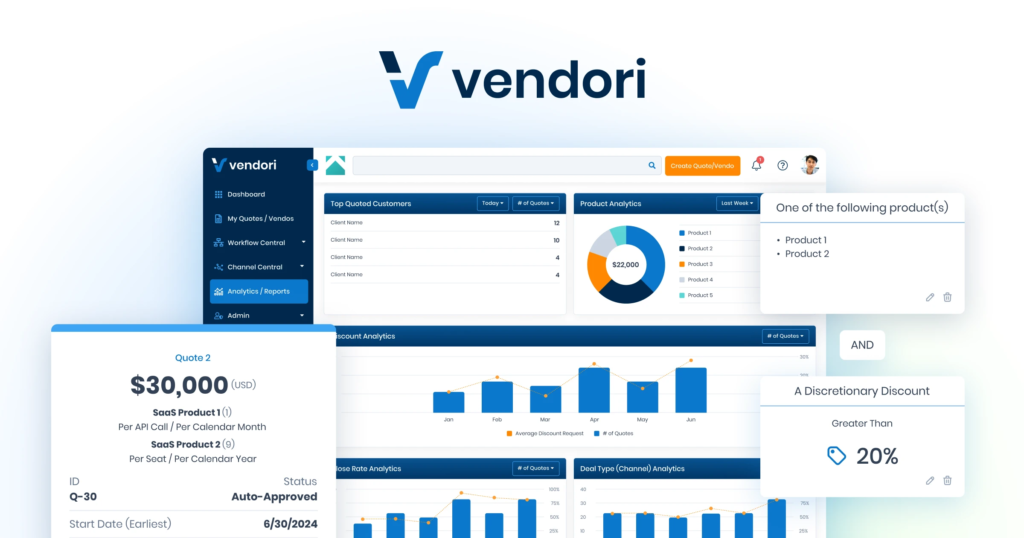
Vendori intentionally positions itself between basic quoting tools and full-scale CPQ or revenue platforms. Its strength lies in restoring order to pricing and approvals while keeping operational overhead low.
Core Capabilities
- Salesforce-native quoting with minimal setup and configuration
- No-code pricing rules, discount controls, and approval workflows
- Support for subscriptions, services, add-ons, and multiple pricing types per quote
- Clean, repeatable quote structures with strong pricing consistency
- Automated approval routing to protect margins and policy compliance
- High sales adoption driven by simple UX and low training effort
- Fast deployment without consultants or heavy IT involvement
- Seamless CRM alignment without becoming a revenue system of record
When to Use Vendori?
Use Vendori only if pricing discipline and sales velocity are the primary challenges — not end-to-end revenue orchestration.
Vendori is suitable when:
- Pricing inconsistency or discount leakage is creating revenue risk
- Sales teams need to quote faster without bypassing approvals
- Existing quoting tools or spreadsheets lack governance
- Legacy CPQ feels too heavy for current operational maturity
- RevOps needs pricing control without owning billing or finance systems
- Subscription and services pricing must coexist in a single quote
- The organisation values speed, simplicity, and adoption over depth
- Leadership accepts that revenue lifecycle ownership stays outside Salesforce
How to Use Vendori Correctly?
Vendori delivers value only when its scope is intentionally constrained.
- Treat Vendori as a pricing governance and quoting layer, not a billing platform
- Keep billing, invoicing, and revenue recognition clearly external
- Avoid expanding Vendori into lifecycle responsibilities it is not designed to own
- Align pricing models and data structures with future RCA expectations
- Limit custom workflows that cannot be retired later
- Document ownership boundaries between Sales, RevOps, and Finance
- Maintain a visible roadmap toward Revenue Cloud Advanced
Also Read: ARM Adoption Failure Patterns Leadership Should Expect
3. Subskribe
Subskribe is a Salesforce-native quote-to-revenue platform that combines CPQ, subscription billing, and revenue recognition into a single, tightly integrated system. It is designed primarily for SaaS and technology companies with complex subscription structures, ramp deals, amendments, and finance-led reporting requirements.
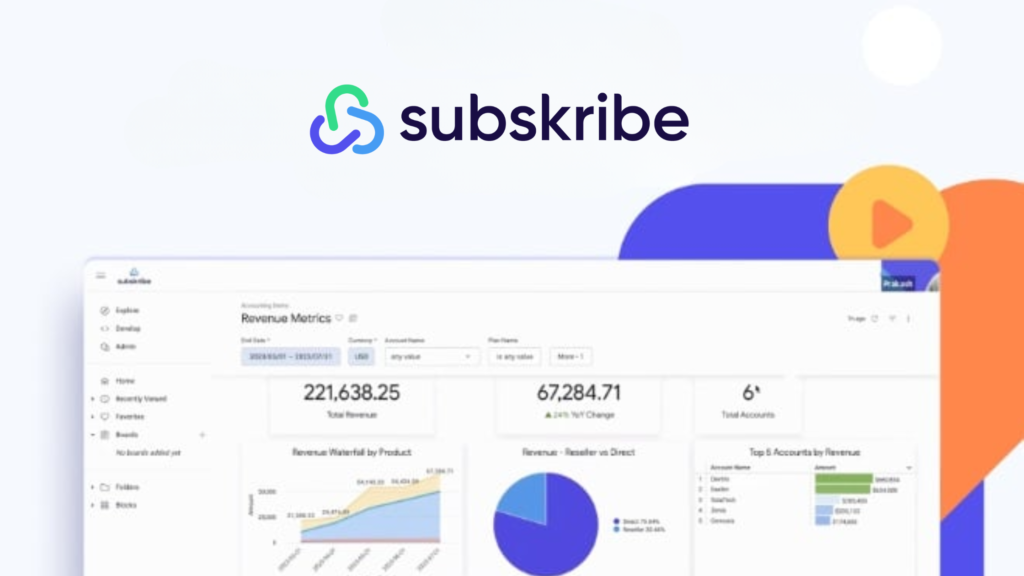
Unlike other modern Salesforce-native CPQs, Subskribe deliberately extends beyond quoting into billing and revenue recognition. This places it closer to Revenue Cloud Advanced in functional intent, while still positioning itself as faster to implement and easier to operate for high-growth SaaS environments.
Core Capabilities
- Salesforce-native CPQ built for complex SaaS and subscription deals
- Support for ramps, amendments, renewals, and multi-term contracts
- Native subscription billing, invoicing, and payment handling
- Automated revenue recognition for subscription and usage-based deals
- Finance-ready revenue schedules and compliance workflows
- Deal desk enablement with approval routing and pricing controls
- Unified metrics across ARR, ACV, TCV, cohorts, and SaaS analytics
- Tight alignment between Sales, RevOps, and Finance teams
When to Use Subskribe?
Use Subskribe only if the organisation is ready to consolidate quoting, billing, and revenue recognition into a single Salesforce-native platform, but is not yet committing to the full Revenue Cloud Advanced stack.
Subskribe is suitable when:
- The business is SaaS-first with subscription-dominant revenue
- Billing and revenue recognition need to move out of spreadsheets or legacy tools
- Finance requires stronger control and automation earlier in the lifecycle
- Deal complexity includes ramps, amendments, and contract expansions
- Sales, RevOps, and Finance need a shared system of record
- Faster time to value is required than a full RCA transformation
- The organisation is comfortable adopting an opinionated revenue model
How to Use Subskribe Correctly?
Because Subskribe spans multiple lifecycle stages, scope discipline is critical.
- Treat Subskribe as a consolidated quote-to-revenue platform, not a lightweight CPQ
- Validate that its billing and revenue models align with current and future compliance needs
- Avoid parallel billing or revenue systems that create reconciliation risk
- Assess long-term overlap with Revenue Cloud Advanced early
- Ensure Finance owns revenue logic, not Sales or RevOps
- Document migration implications if RCA adoption is planned later
- Make a conscious decision whether Subskribe is a long-term platform or an interim step
Also Read: A Comprehensive Guide to What is Salesforce Go
Is Modern Salesforce-Native CPQ Suitable for Your Org?
You may choose to implement a modern Salesforce-native CPQ as an interim step, but only when the organisation is deliberately optimising for speed, stability, and controlled progress rather than full revenue orchestration. This option assumes Revenue Cloud Advanced remains the strategic destination, while immediate operational pressure requires faster quoting, simpler governance, and lower change impact. It works when leadership accepts that scope will be intentionally limited and that financial ownership of the revenue lifecycle will not move into Salesforce yet.
Implement a modern Salesforce-native CPQ only if:
- End-to-end revenue orchestration is not yet feasible
- Pricing, contracts, billing, and revenue recognition cannot be consolidated on Salesforce today
- The priority is fast, governed quoting rather than lifecycle ownership
- Subscription, usage, credits, or add-ons must be quoted with minimal friction
- Finance needs pricing guardrails, not full billing and compliance control
- Sales adoption and time to value outweigh transformation depth
- Billing and revenue recognition systems remain external
- The data model can be aligned with future Revenue Cloud Advanced structures
- Customisation is tightly controlled and treated as temporary
- Leadership agrees this is a bridge, not an endpoint
RCA VS Modern Salesforce-Native CPQs
| Dimension | Revenue Cloud Advanced (RCA) | Modern Salesforce-Native CPQs |
| Strategic Role | Enterprise revenue lifecycle platform | Transitional commercial and quoting layer |
| Primary Purpose | End-to-end revenue orchestration | Fast, governed quoting inside Salesforce |
| Scope Ownership | Pricing, contracts, billing, revenue recognition | Quoting, pricing governance, billing intent |
| Platform Depth | Full Revenue Cloud stack | Salesforce-native CPQ layer |
| Pricing Models | Enterprise-scale subscriptions, usage, hybrids | Subscriptions, usage, credits, add-ons |
| Billing Capability | Native billing and invoicing engines | Prepares invoice-ready billing structures |
| Revenue Recognition | Built-in revenue recognition and compliance | Outside scope by design |
| Finance Control | Finance-led ownership and compliance | Finance guardrails embedded at quote level |
| Sales Enablement | Indirect; governed by lifecycle controls | High; native UX and low friction |
| Implementation Effort | High; transformation-led adoption | Low to moderate; phased rollout |
| Customisation Risk | Controlled via platform governance | Risk increases if treated as endpoint |
| Data Model | Canonical revenue data model | Simplified, RCA-aligned where planned |
| Change Management | High organisational change impact | Lower change impact |
| Time to Value | Longer but durable | Fast but transitional |
| Long-Term Position | Strategic destination state | Bridge toward RCA |
Also Read: What is the Cost of Ignoring Agentforce Revenue Management (RCA) Limits During Implementation?